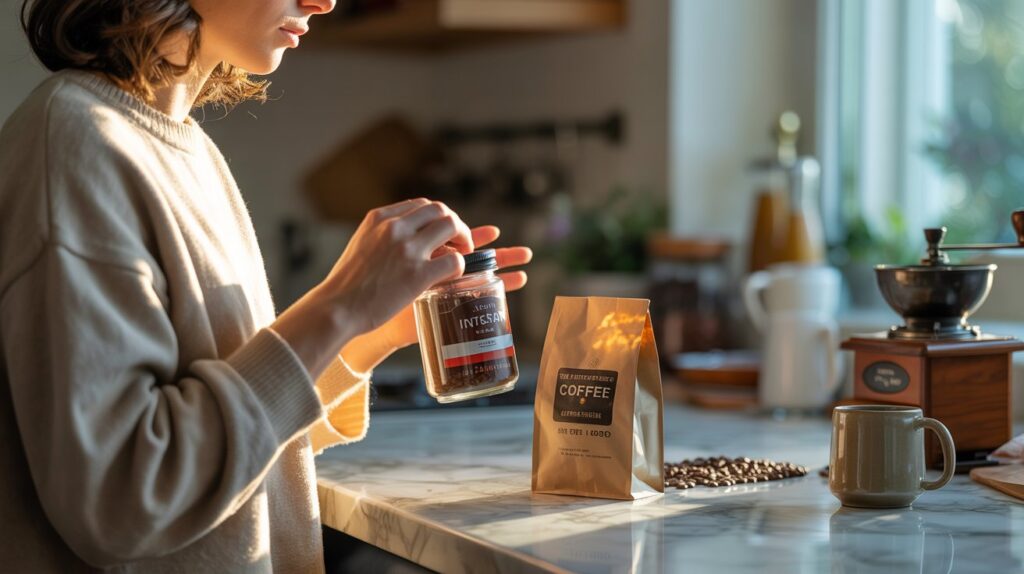
Coffee is one of the most popular beverages worldwide, but when it comes to choosing between instant coffee and ground coffee, many people find it difficult to decide. Whether you value taste, cost, convenience, or health, each option has its own advantages. In this detailed comparison, we will explore instant coffee vs ground coffee, including a breakdown of the pros and cons of both.
Thank you for reading this post, don't forget to subscribe!H2: Quick Answer
- For convenience: Instant coffee wins, as it can be prepared in seconds.
- For taste: Ground coffee has the edge, though the gap is narrowing with advancements in premium instant coffee.
- For cost: Instant coffee is cheaper per cup.
- For health: Both are equally healthy in moderation.
What is Instant Coffee?
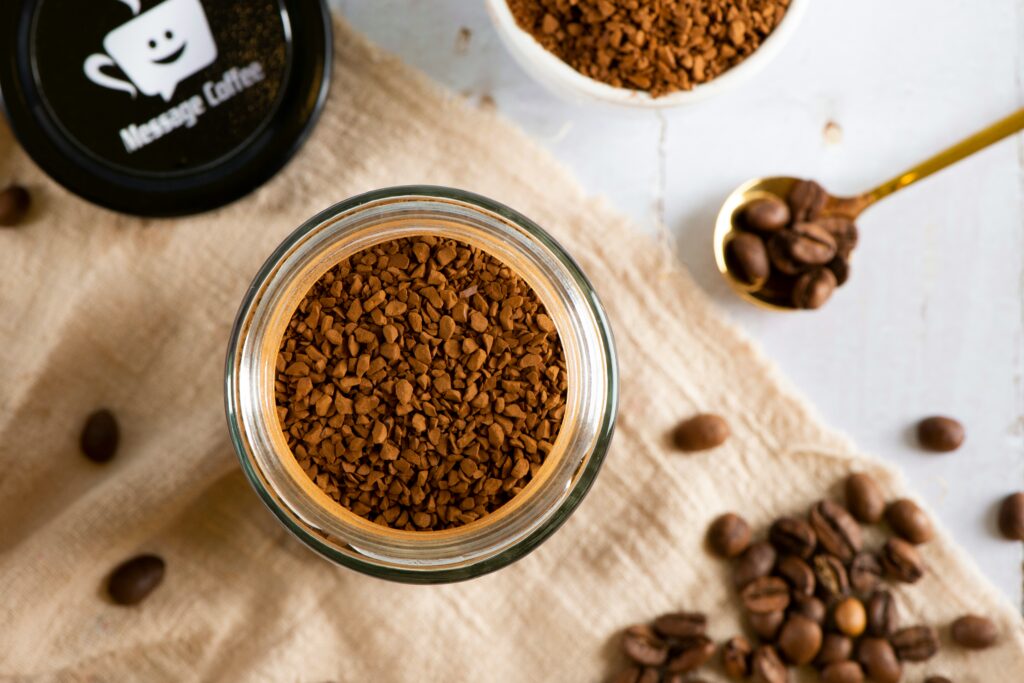
Instant coffee is made by brewing coffee beans and then dehydrating the liquid into a powder or granules. This allows the coffee to dissolve instantly in hot or cold water. The two primary methods used for making instant coffee are:
- Spray-Dried: Brewed coffee is sprayed into a hot chamber, where the water evaporates, leaving behind solid coffee.
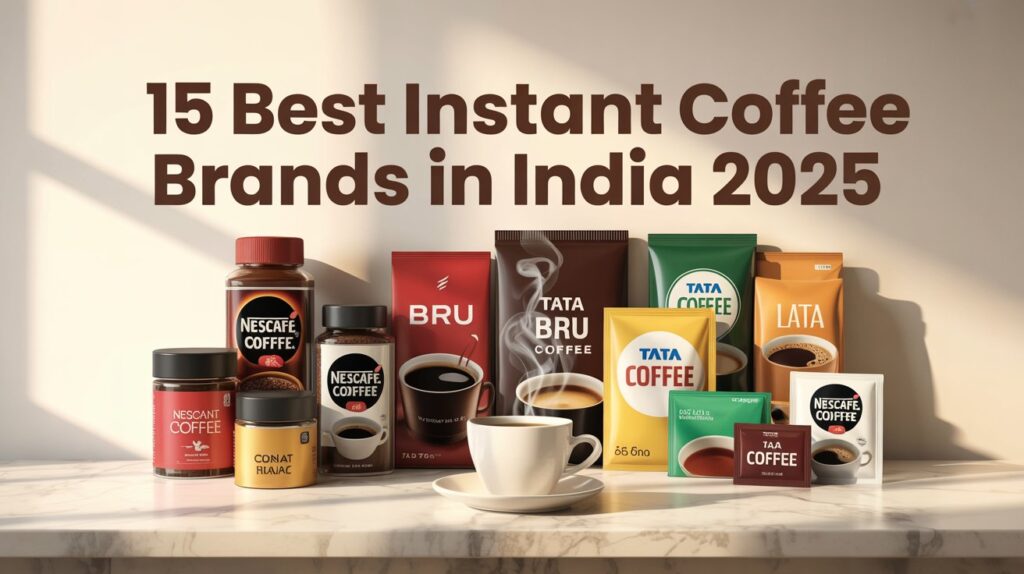
- 15 Best Instant Coffee Brands in India 2025
Invented in 1901, instant coffee has evolved significantly over the years, with advancements in technology improving its taste and quality, making it a viable option for those who seek convenience without compromising too much on flavor.
What is Ground Coffee?
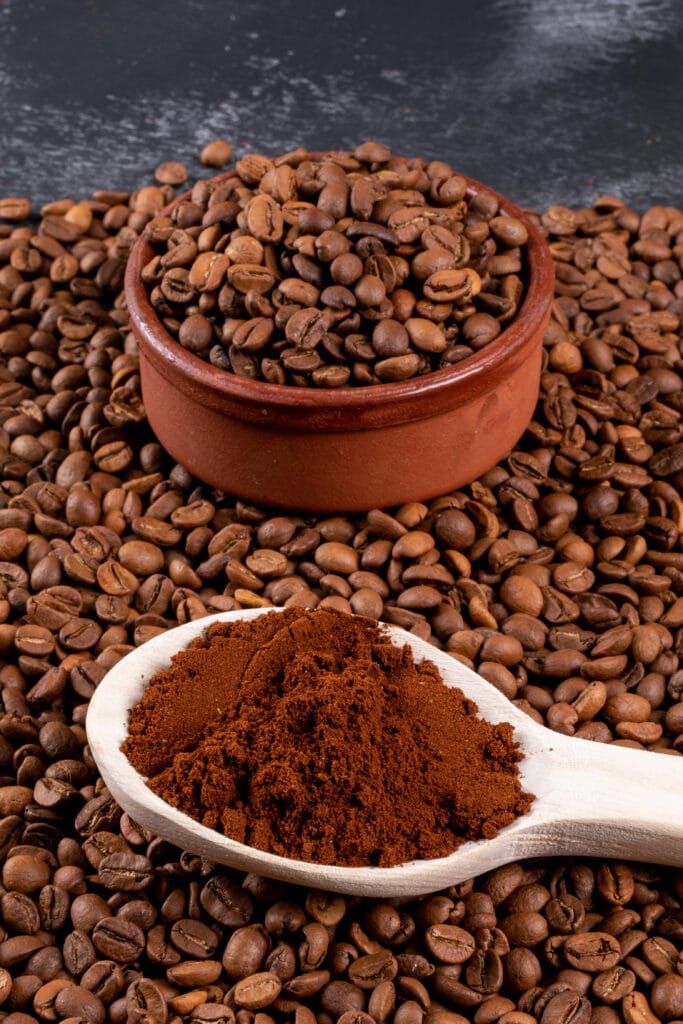
Ground coffee refers to roasted coffee beans that are finely ground to a specific size depending on the brewing method. It is typically brewed using equipment such as a drip coffee maker, espresso machine, or French press. Unlike instant coffee, ground coffee is consumed fresh, and the quality of the coffee depends on the beans’ freshness.
H2: Detailed Comparison Table
| Factor | Instant Coffee | Ground Coffee | Winner |
| Taste | 85% of ground coffee taste (improving) | More aromatic, complex flavors | Ground Coffee |
| Preparation Time | 30 seconds | 5-10 minutes + cleanup | Instant Coffee |
| Cost per Cup | ₹2-5 | ₹8-15 | Instant Coffee |
| Health Benefits | Similar caffeine, more acrylamide | Slightly more antioxidants, less acrylamide | Tie |
| Environmental Impact | Less water usage, less waste | More packaging waste, requires filters | Instant Coffee |
| Convenience | Travel-friendly, office-friendly | Requires brewing equipment | Instant Coffee |
Taste Comparison
Ground Coffee: Ground coffee is preferred for its fuller, more complex flavor. Freshly brewed ground coffee provides a rich, aromatic experience with a broader range of flavors, from fruity to earthy. The oils released during brewing contribute to its full-bodied taste.
Instant Coffee: While instant coffee was once considered inferior in taste, premium instant coffee brands like BeastBrew now offer a coffee experience that closely mimics the flavor of ground coffee, replicating up to 85% of the taste. Advances in production methods have greatly improved the flavor of instant coffee, narrowing the taste gap.
Winner: Ground Coffee still has the edge, but premium instant coffee is improving rapidly.
Convenience Factor
Instant Coffee: Instant coffee is the epitome of convenience. It can be prepared in 30 seconds by simply adding hot water, with no need for brewing equipment. It’s perfect for busy mornings, travel, or office use where quick coffee is needed without hassle.
Ground Coffee: Ground coffee requires brewing equipment, and the process usually takes 5-10 minutes. You also have to clean the brewing equipment afterward, making it less convenient for those in a hurry.
Winner: Instant coffee wins hands down when it comes to convenience.
Cost Analysis
Instant Coffee: Instant coffee is the more affordable option, typically costing ₹2-5 per cup. It’s perfect for those who drink coffee frequently and want to keep costs down without sacrificing too much quality.
Ground Coffee: Ground coffee can cost anywhere between ₹8-15 per cup, especially when considering brewing equipment and filters. Over the long term, this can add up, making it a more expensive option.
Annual Cost Comparison:
- Instant Coffee: ₹2-5 per cup * 365 days = ₹730 – ₹1,825 per year
- Ground Coffee: ₹8-15 per cup * 365 days = ₹2,920 – ₹5,475 per year
Winner: Instant coffee is the more cost-effective choice.
Health & Nutrition
Both instant coffee and ground coffee are healthy when consumed in moderation. Here’s how they compare in terms of nutrition:
- Caffeine Content: Both instant coffee and ground coffee contain approximately 60-80 mg of caffeine per cup, making them similar in terms of stimulating effects.
- Antioxidants: Ground coffee contains about 5-10% more antioxidants than instant coffee. This is because instant coffee undergoes a dehydration process that may diminish some of the antioxidants present in freshly brewed ground coffee.
- Acrylamide: Instant coffee typically contains slightly more acrylamide, a byproduct of coffee roasting, but the levels are within safe consumption limits.
Winner: Tie – both are healthy in moderation, with minor differences in antioxidants and acrylamide.
Environmental Impact
Instant Coffee: Instant coffee generally has a lower environmental impact than ground coffee because it requires less water for brewing and produces less waste. It is also often packaged in more minimalistic materials.
Ground Coffee: Ground coffee requires more water for brewing, and the brewing process creates additional waste, including filters and packaging.
Winner: Instant coffee has a slightly better environmental impact due to less water usage and minimal packaging waste.
Best Uses for Each Type
Instant Coffee Best For:
- Busy mornings when you need a quick fix.
- Offices and workplaces where speed and convenience matter.
- Travel and camping where brewing equipment isn’t available.
- When you need one cup quickly without any mess.
Ground Coffee Best For:
- Weekend relaxation where you can enjoy the process of brewing.
- Coffee enthusiasts who appreciate the complexity of freshly brewed coffee.
- Entertaining guests, as fresh ground coffee is perfect for larger batches.
- When making multiple cups for family or guests.
Can You Tell the Difference? (Blind Taste Test)
Consumer studies have shown that premium instant coffee options, like BeastBrew, are quickly catching up with ground coffee in terms of taste. In blind taste tests, many testers found it difficult to distinguish between instant coffee and freshly brewed ground coffee, especially when the best instant coffee is used.
How to Make Instant Coffee Taste Better
- Use fresh, filtered water to avoid any impurities.
- Correct water temperature (85-90°C) is key for optimal extraction.
- Add milk to create a richer, creamier texture.
- Experiment with flavored instant coffee options, like Hazelnut or Vanilla for a unique twist.
Expert Recommendations
- For daily use: Choose premium instant coffee like BeastBrew for convenience and quality.
- For special occasions: Go for fresh ground coffee to experience a richer flavor.
- For travel: Instant coffee sachets are ideal for quick cups on the go.
- For offices: Set up an instant coffee station for convenience.
FAQs
Q: Is instant coffee “real” coffee?
A: Yes, instant coffee is made from real brewed coffee beans that are dehydrated to provide a quick coffee solution.
Q: Does instant coffee have less caffeine?
A: Both instant coffee and ground coffee have similar amounts of caffeine, with only slight variations depending on the brand.
Q: Why does instant coffee taste different?
A: Instant coffee tastes different because of the dehydration process, which can affect its flavor profile.
Q: Can instant coffee go bad?
A: Instant coffee has a long shelf life, typically 2-3 years if stored in a cool, dry place.
Q: Which is better for weight loss?
A: Both types are low in calories, but be mindful of adding sugar or cream, which can add unnecessary calories.
Conclusion
Both instant coffee and ground coffee have their advantages depending on your needs. Instant coffee offers speed, convenience, and affordability, while ground coffee provides superior flavor and freshness. Premium instant coffee options like BeastBrew are quickly closing the gap in taste and quality, making them a great option for those who want convenience without sacrificing too much flavor.